
Ceramic insulated busbar
A ceramic insulated busbar is a copper or aluminium busbar used inside EV battery packs, wrapped in a silicone layer that turns into a ceramic shell when exposed to flame. The shell keeps the conductor covered during a thermal event, so live bars are less likely to short against the pack housing.
- Outer jacket in TPU, PVC or PA
- Ceramic silicone fire barrier, extruded and wound in-house
- Mica tape, glass-fibre cloth or PI film reinforcement
Quick look
- Conductor
- Copper or aluminium
- Jacket
- TPU, PVC or PA
- Fire barrier
- Ceramic silicone
- Reinforcement
- Mica tape, glass-fibre cloth or PI film
- Quality
- IATF 16949:2016
What layers does a ceramic insulated busbar have?
Our ceramic insulated busbars use up to three layers over the conductor. A plastic jacket gives electrical insulation, a ceramic silicone layer acts as the fire barrier, and mica tape, glass-fibre cloth or PI film reinforces it.
| Layer | Material | What it does |
|---|---|---|
| Outer jacket | TPU, PVC or PA | Electrical insulation and abrasion protection |
| Fire barrier | Ceramic silicone | Forms a ceramic shell at high temperature, keeping the conductor covered |
| Reinforcement | Mica tape, glass-fibre cloth or PI film | Adds dielectric strength and holds the fire barrier in place |
| Conductor | Copper or aluminium | Carries the current |
Layer build from our insulated busbar range
Choosing between the reinforcement layers? Our guide compares ceramic silicone, mica and PI film for battery busbars.
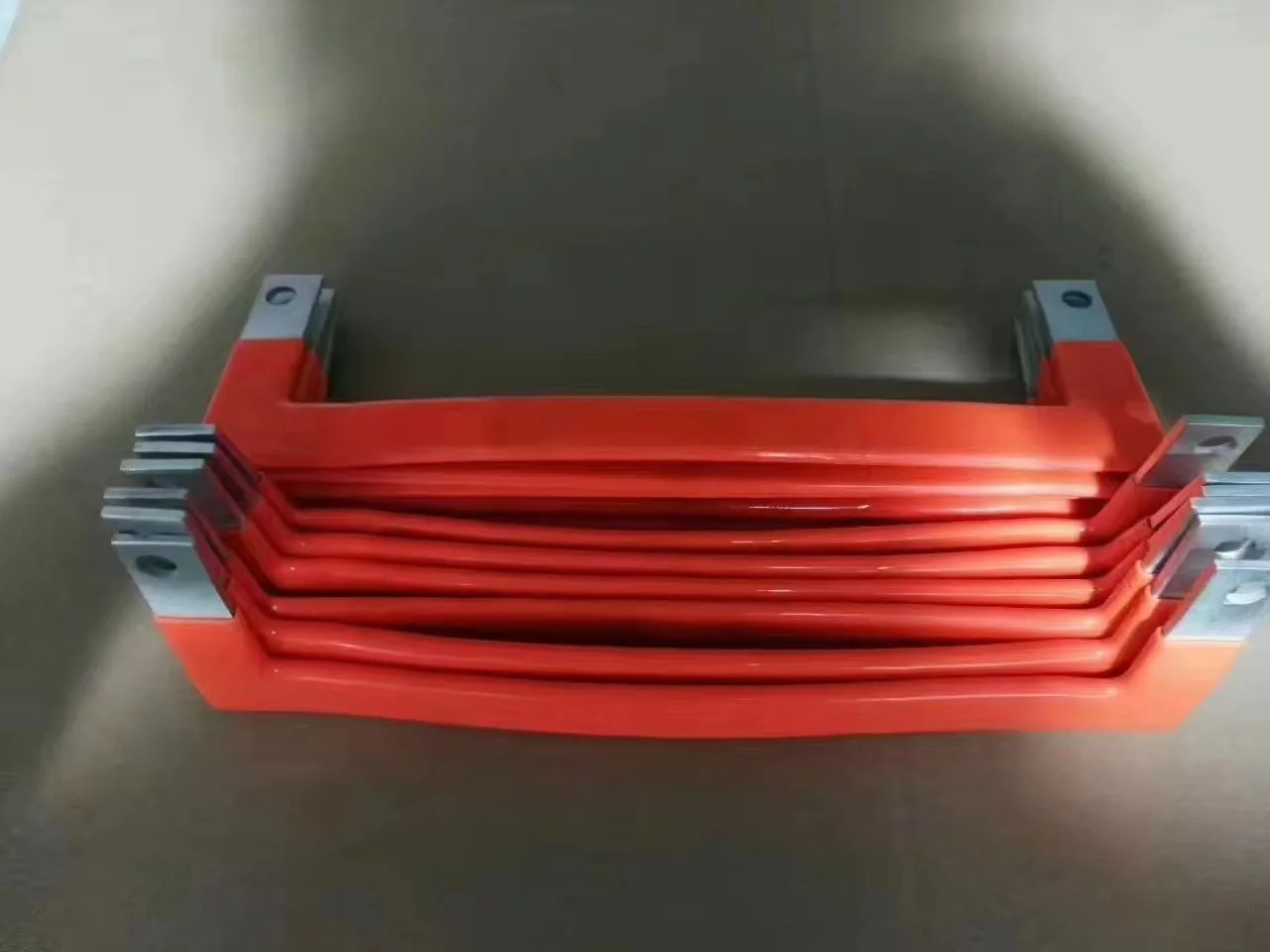
How is a ceramic insulated busbar built?
The conductor is stamped and bent first, then the insulation goes on. Ceramic silicone is extruded and wound before it goes onto the bar, and terminals stay bare for bolting or welding.
- ConductorBar blanked, punched and bent to the 3D model.
- ReinforcementMica tape, glass-fibre cloth or PI film wrapped where your drawing calls for it.
- Fire barrierCeramic silicone layer extruded and wound onto the bar.
- JacketTPU, PVC or PA outer layer applied.
- StrippingTerminals and contact faces left bare.
- InspectionDimensions and withstand voltage checked.
The bare conductor underneath comes from the same line as our stamped copper busbars made to drawing.
How do we test ceramic insulated busbars?
Every insulated part is checked for dimensions and withstand voltage before it ships. Material composition is verified by spectrometer in our own lab. We do not publish flame or fire-duration ratings for this range.
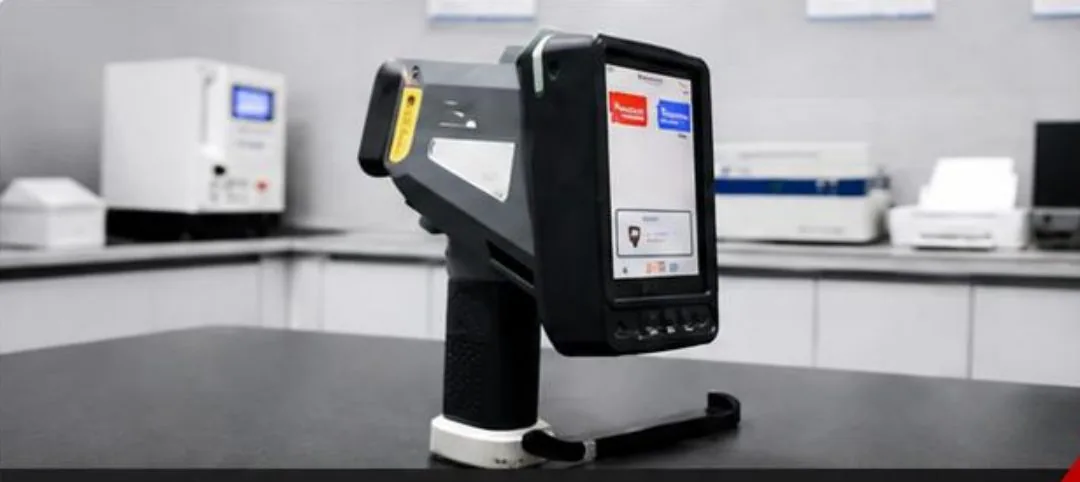
In-house lab
- Insulation
- Withstand-voltage test on every part
- Dimensions
- 2D, 2.5D, CCD, profile projector
- Material
- Spectrometer analysis, RoHS screening
Ceramic insulated busbar FAQ
Why use ceramic silicone instead of a plastic jacket alone?
A plastic jacket melts or burns away in a fire. Ceramic silicone turns into a hard shell instead, so the conductor stays covered.
Can you insulate only part of the busbar?
Yes. We leave terminals and contact faces bare and insulate the rest, as shown on your drawing.
Can you match a flame or fire-duration rating?
Tell us the standard your pack must meet. We will review the layer build and send samples for testing at a lab you choose.
Other busbars from the same plant
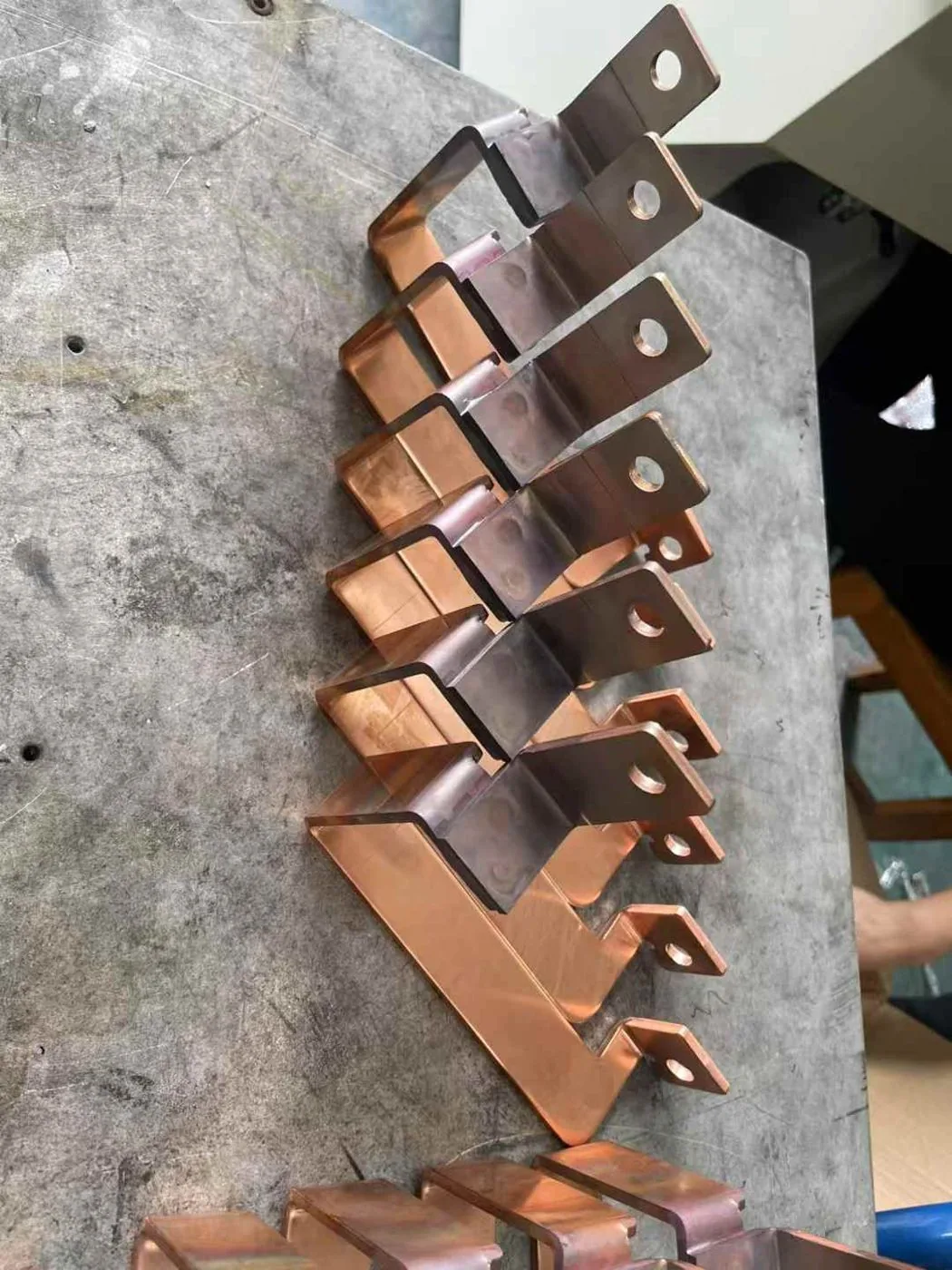
Stamped copper busbar
The bare conductor under the insulation.
View stamped copper busbars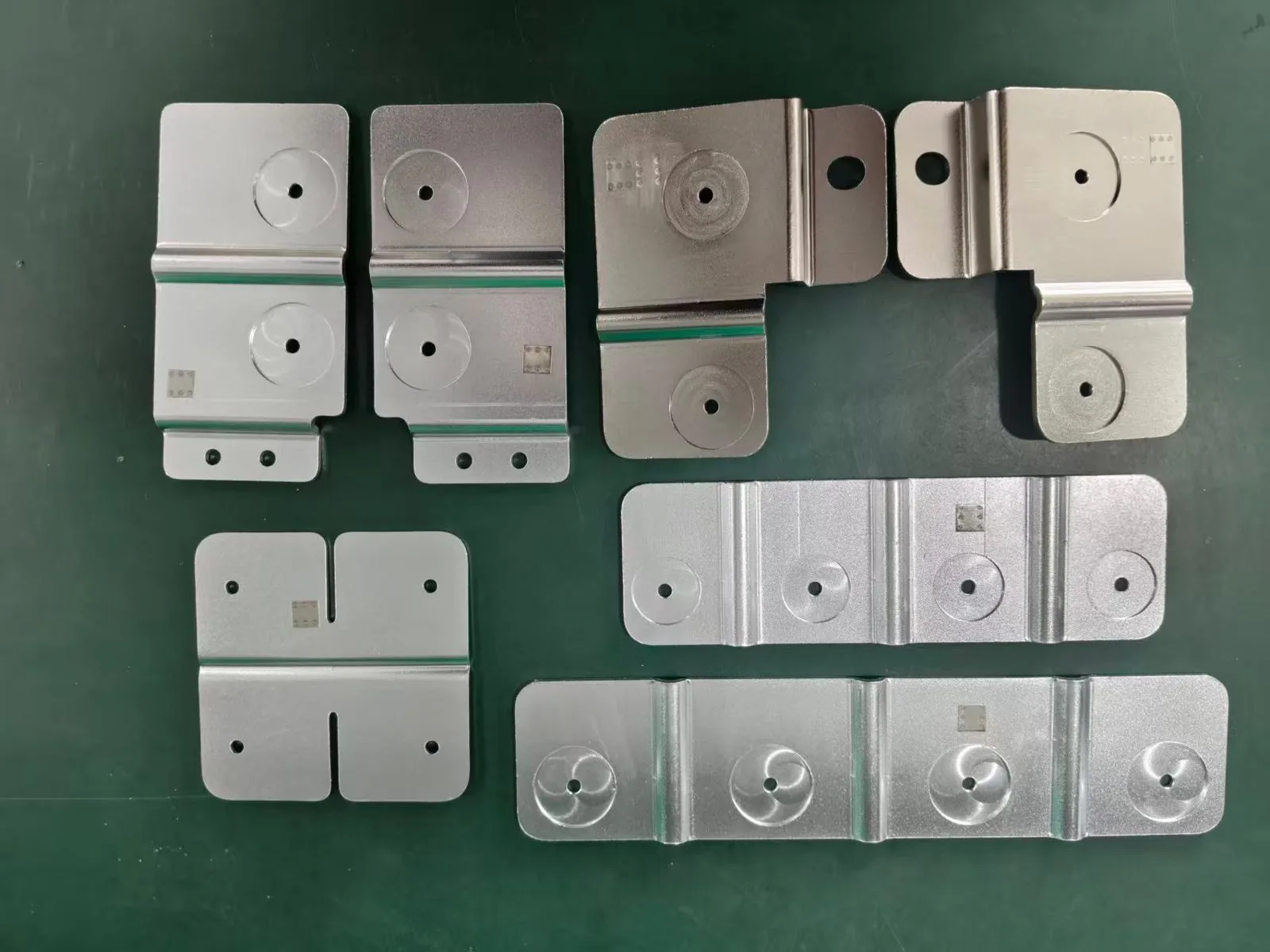
Stamped aluminium busbar
Lighter connectors where weight and cost matter.
View stamped aluminium busbars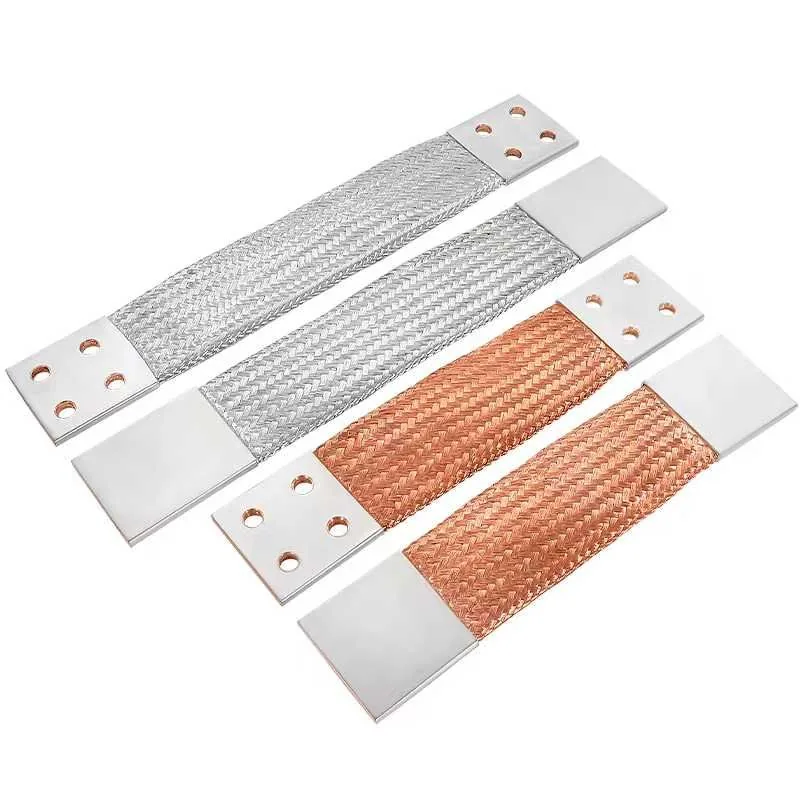
Braided copper busbar
Flexible links that absorb vibration and expansion.
View braided copper busbarsNeed ceramic insulated busbars for a battery pack?
Send your drawing and insulation spec for a quote.